Saturn sextile Uranus synastry: balancing stability and freedom
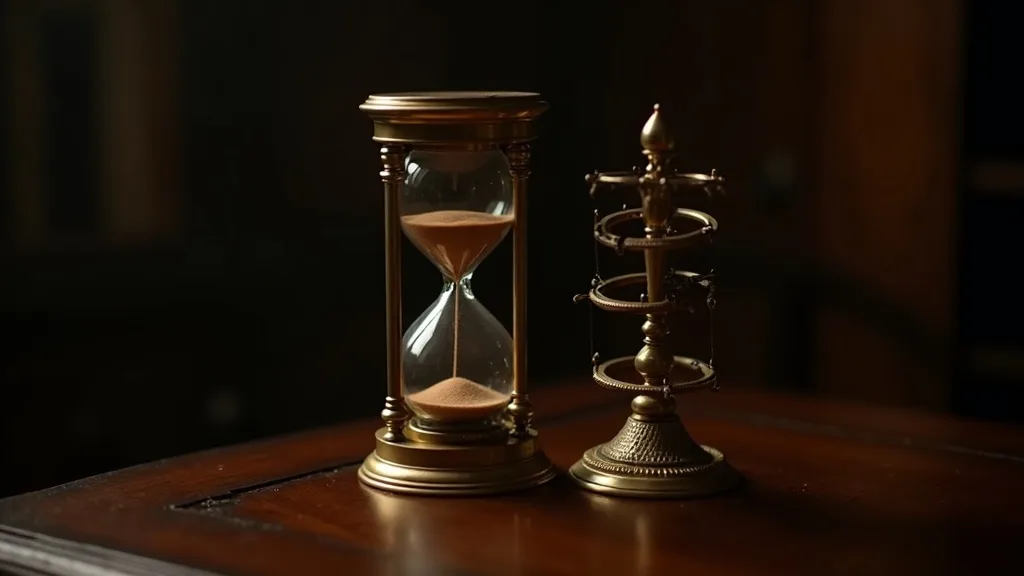
Saturn sextile Uranus in synastry is one of the most constructive aspects for long-term relationships. It doesn't promise easy romance, but offers deep psychological compatibility based on complementary needs. This article explores how this aspect works at the level of attachment, projection, and shadow dynamics.
The psychological foundation of the aspect
Saturn symbolizes structure, responsibility, boundaries, and fear of chaos. Uranus represents freedom, originality, sudden breakthroughs, and fear of routine. In synastry, these planets often conflict, but the sextile creates a harmonious channel: partners do not suppress each other but learn to integrate opposing energies.
From an attachment theory perspective, Saturn leans toward secure, predictable bonding (safe base), while Uranus seeks autonomy and novelty (exploratory behavior). The sextile allows the couple to create a relationship where both feel safe but not caged.
How the sextile manifests in relationships
1. Respect for personal space
The Saturn partner (often more mature or responsible) does not try to control the Uranian partner. Instead, they acknowledge and even support their need for independence. The Uranian partner, in turn, values the stability Saturn provides and does not perceive it as a limitation.
2. Joint projects and innovation
This aspect is common in couples who work together in business, science, or art. Saturn provides discipline and planning, Uranus brings creative ideas and unconventional solutions. Together, they can build something lasting but not boring.
3. Crisis management
When difficulties arise, Saturn helps maintain calm and strategic thinking, while Uranus finds unexpected solutions. The couple does not get stuck in problems but uses them as growth points.
Shadow aspects: what to watch out for
Even a harmonious sextile can have pitfalls. The main risk is conflict avoidance. If partners try too hard to maintain balance, they may suppress their true feelings. Saturn can become overly rigid, and Uranus can become passive-aggressive, expressing freedom through minor rebellions.
Another trap is projection. Saturn may project its fear of chaos onto Uranus, seeing them as an 'irresponsible rebel.' Uranus may project its fear of routine onto Saturn, viewing them as a 'boring controller.' Awareness of these projections is key to mature relationships.
Comparison with other Saturn-Uranus aspects
Unlike the square or opposition, where energies struggle, the sextile offers cooperation. The conjunction can be too intense—partners either merge or sharply separate. The sextile provides flexibility: you can be together without losing yourself.
Practical recommendations for the couple
- • Create rituals that combine stability and novelty. For example, weekly 'surprise dates' or joint vacation planning with elements of spontaneity.
- • Discuss boundaries openly. Saturn needs to know its need for order is respected; Uranus needs assurance that its freedom is not under threat.
- • Use differences as a resource. If one loves planning and the other improvising, find a way to combine both approaches.
Conclusion
Saturn sextile Uranus in synastry is an aspect of mature love, where partners do not try to change each other but create space for each other's growth. It's not a story of 'happily ever after' without effort, but of consciously building a relationship where stability does not kill freedom, and freedom does not destroy stability. If you have this aspect in your synastry, consider it a unique chance to build a union that is both reliable and inspiring.
Want to see Saturn and Uranus aspects in your synastry with a specific person?
Open synastry